


News
When technical evaluators compare car washing machines, the lowest upfront price often cannot reflect the whole picture. Systems with higher costs typically use stronger materials, more reliable components, and more precise designs, which can significantly reduce downtime, lower maintenance frequency, and effectively control the total cost of the entire lifecycle. Understanding why high-end car washing machines have higher initial investment but longer service life can help buyers make more informed investment decisions based on equipment durability, performance stability, and long-term operational value.
Why does some car wash machinery cost significantly more at the start?
The price difference of car washing machines is usually hidden under the external framework. Two devices may appear similar in layout, number of fans, or throughput, but their internal structures may be vastly different. Equipment with higher prices usually adopts more corrosion-resistant stainless steel structures, industrial grade pumps, sealed bearings, high-quality motors, more complete electrical protection, and more stable control systems. In a clean chemical environment where water, detergent, wax, and acidic or alkaline residues persist, these internal details are far more important than the appearance of the exhibition hall.
Technical assessors should also pay attention to differences in design tolerances. A car washing machine with better quality is usually able to withstand repeated work cycles, fluctuating water supply pressure, frequent start stop operations, and continuous chemical erosion without rapid aging. Low cost alternatives often compress costs by reducing metal wall thickness, using lower grade plastics, simplifying sealing structures, or selecting short-lived components. These differences may not be significant during the first six months of equipment operation, but they often gradually become apparent after several winter tests, high-intensity weekend operations, or repeated chemical cleaning cycles.
In other words, a higher initial purchase price is not just about paying for additional features. In most cases, it is paying a reasonable cost for slower performance degradation, better corrosion resistance, and more predictable long-term performance.
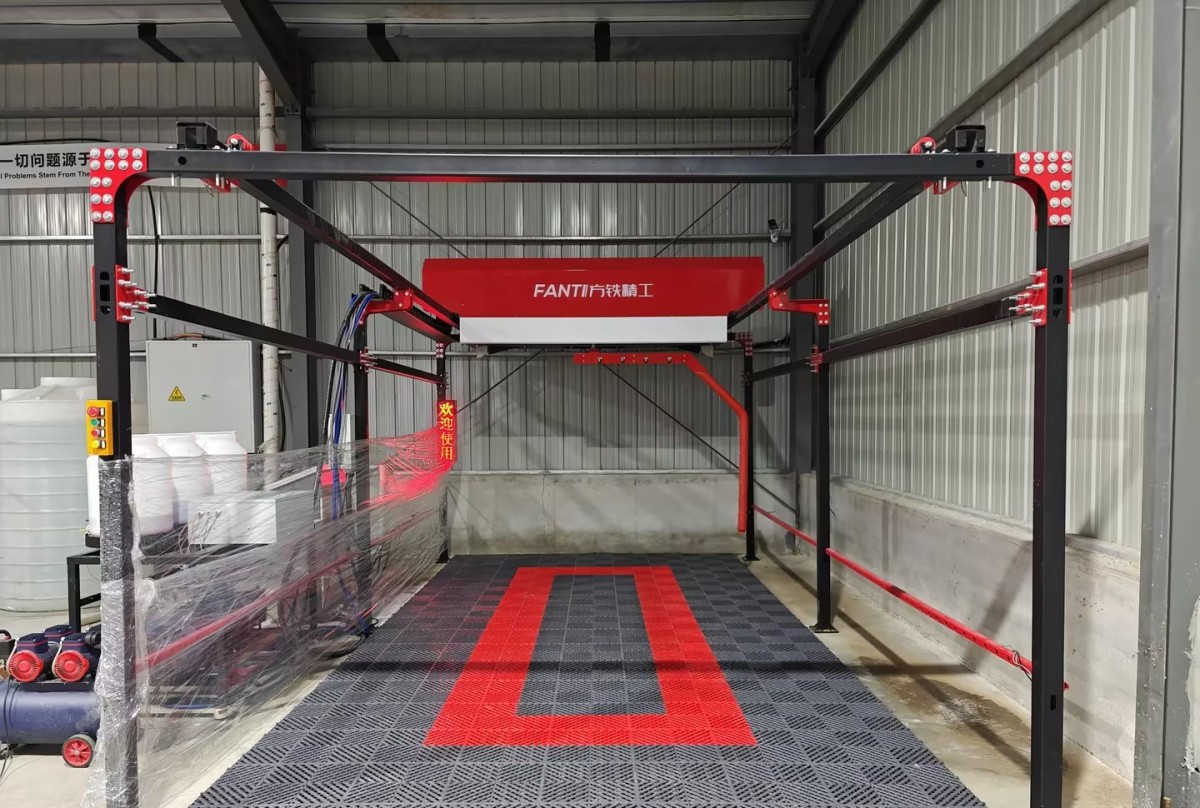
What specific engineering choices make car wash machinery last longer?
The durability of a car wash machine rarely depends on a single component, but rather on a comprehensive reflection of the overall engineering method. When evaluating equipment, evaluators should focus on the following key areas:
Frame and shell materials: hot-dip galvanized steel, coated steel, and stainless steel, which can more effectively resist corrosion caused by moisture and detergents compared to untreated metal.
Pump body mass: An industrial grade pump designed for continuous operation, more durable than lightweight components, and capable of maintaining a more stable flow output.
Motor protection mechanism: High quality motors have stronger insulation performance, more reliable thermal protection, and more stable power output capability under harsh working conditions.
Chemical compatibility:Hoses, seals, valves, and dosing components must be compatible with the cleaning agents, pre impregnated agents, waxes, and various special detergents used in the system.
Control architecture: Reliable PLC system, protected circuit layout, and good sensor integration solution can effectively reduce the frequency of faults and shorten the troubleshooting time.
Bearing and moving parts design: High quality sealed bearings are used to ensure precise alignment, which can significantly reduce motion friction and avoid premature wear.
Chemical compatibility is particularly noteworthy in industrial applications related to clean chemistry. If the detergent tubing, syringe components, or sealing materials deteriorate due to contact with corrosive chemical formulas, the machine may malfunction prematurely even if its mechanical properties are intact. The cost of high-end car washing machines is higher, and one important reason is that manufacturers use elastomers, pipelines, and measuring components that can withstand concentrated cleaning products for a long time. This not only reduces the risk of leakage, but also avoids problems such as inaccurate measurement and cross contamination.
Which environments justify paying more for car wash machinery?
Not every site needs the same durability level, but some operating conditions strongly justify investing in premium car wash machinery. High-volume tunnels, fleet washing operations, 24-hour automated sites, and locations with harsh winters or aggressive water chemistry all put unusual stress on equipment. In these environments, corrosion resistance, stronger control systems, and robust chemical handling are not optional advantages; they are basic requirements for reliable service.
Facilities that use multiple cleaning products also benefit from better-built systems. Pre-soaks, wheel cleaners, neutralizers, sealants, and drying agents all interact with pumps, injectors, and tubing. A machine designed only for light-duty detergent exposure may wear quickly when real-world chemical programs become more complex. For technical evaluators in the cleaning chemical field, the machinery must be assessed as part of a complete process, not as an isolated mechanical asset.
If the site depends on consistent wash quality, repeat customer satisfaction, or tight operating schedules, paying more for durable car wash machinery is often easier to justify. Reliability has direct business value because stable equipment supports stable detergent application, repeatable cleaning results, and fewer interruptions to service.
What are the most common mistakes buyers make when evaluating long-term durability?
One common mistake is comparing brochures instead of service conditions. Manufacturers may list similar pump power, throughput, or automation features, yet fail to show differences in material grade, sealing design, cabinet protection, or chemical resistance. These hidden factors often decide whether car wash machinery remains reliable after years of detergent exposure and daily wash cycles.
Another mistake is focusing only on replacement part price. Cheap parts are not always a benefit if they need replacement frequently or require long shutdown periods. Technical evaluators should ask how easy the system is to maintain, how quickly wear components can be serviced, and whether failures tend to be isolated or cascading. A low-cost valve is not really low-cost if it causes inconsistent chemical feed, poor wash performance, and customer complaints.
A third mistake is ignoring supplier support and documentation. Long-lasting car wash machinery is supported not only by good hardware but also by spare parts availability, diagnostic guidance, wiring clarity, and training resources. If service teams cannot quickly identify faults or source compatible components, the practical lifespan of the machine becomes shorter than expected.
Finally, some buyers assume that “more expensive” automatically means “better.” That is not always true. The right question is whether the higher price is linked to meaningful engineering benefits. Cost should be traced to material selection, operating duty rating, chemical compatibility, and maintenance design, not just branding or cosmetic upgrades.
How does better car wash machinery affect cleaning quality and chemical efficiency?
Durability is not only related to maintaining the continuous operation of equipment, but also directly affects the consistency of cleaning effectiveness. A high-quality car washing machine mechanical system can maintain more stable water pressure, more precise detergent dosage, and more stable and repeatable brushing or spraying performance for a long time. This is crucial because the quality of cleaning fundamentally depends on the stability of process control. When the output of the pump attenuates, the nozzle spray deviates, or the nozzle wears unevenly, more chemicals may be consumed on site, but only worse cleaning results can be obtained.
For companies engaged in cleaning agent related businesses, this is particularly crucial. A reliable device can ensure that detergents function as intended by maintaining the correct dilution ratio, contact mode, and action time. The mechanical system with poor control may lead to product waste, foam stability decline, residue adhesion, and even additional re cleaning process. In the long run, this means an increase in the cost of chemicals per vehicle and a decrease in overall operational efficiency.
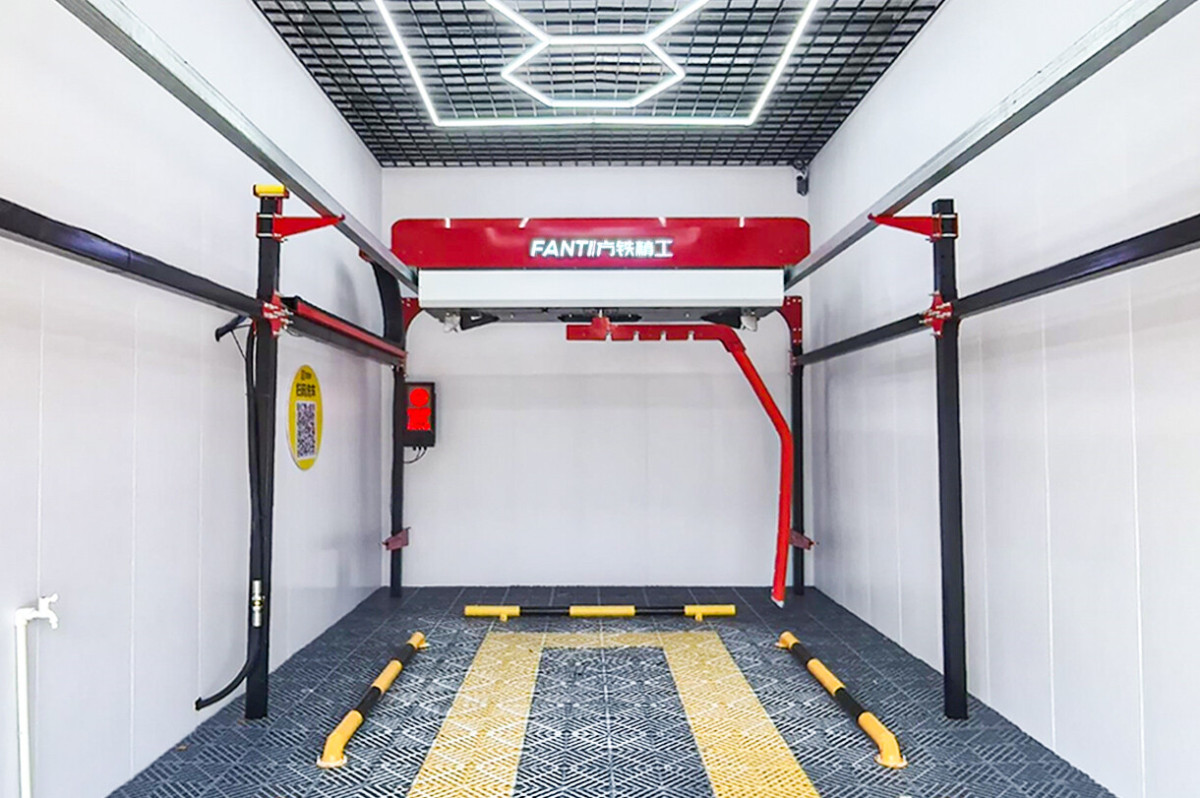
What should be confirmed before moving toward purchase, specification, or supplier discussions?
Before making a final decision, technical assessors should first clarify the actual operating conditions. This includes: daily average number of car washes, peak demand during peak hours, local climate conditions, water quality conditions, complexity of washing procedures, types of chemicals used, maintenance personnel configuration, and expected equipment lifespan. Without these basic inputs, the comparative evaluation of car washing machines can easily become too general, and even solely driven by price.
Meanwhile, aligning equipment review with detergent and chemical schemes is a wise approach. Please confirm if the machine design is compatible with the cleaning products, dosage range, and flushing requirements planned for use on site. Then, the supplier is required to not only explain the performance of the system in the new machine state, but also to elaborate on the expected performance level that can be maintained after long-term exposure to water, chemicals, vibration, and high load operation.
If you wish to conduct a more in-depth comparative analysis, the most effective discussion points should focus on the practical level: component level, corrosion resistance, chemical compatibility, maintenance interval, vulnerable parts list, troubleshooting process, spare parts delivery cycle, and estimated total cost throughout the entire life cycle of the equipment. These questions will help us determine whether the higher priced car washing machinery solution truly has long-term durability, and whether it meets the technical, operational, and cleaning performance goals in the application scenario.
Awesome! Share to:
Related Posts
- How Much Space Does an Automatic Car Wash Need?
- How Does an Automatic Car Wash Work? From Pre-Soak to Drying
- Breakthrough in South America! Contactless car wash machines are being shipped to Argentina
- A First-Purchase List for Car Wash Business Startup Equipment on a Lean Budget
- Can touch free car wash equipment remove heavy road film?
Providing you with integrated sanding solutions
24/7 before-sales and after-sales services
Comprehensive technical support