


News
How detergent dosing affects cleaning in automatic car wash machines
Ever wondered why an automatic wash sometimes leaves your car sparkling and other times leaves streaks or road grime behind? Detergent dosing can make a difference.
Too little detergent can leave dirt behind, while excessive detergent can make rinsing harder. The right amount depends on the chemistry, water quality, and wash conditions.
For drivers, the useful question is whether a car wash shop machine delivers a clean, thoroughly rinsed finish. Thick foam alone cannot answer that question.
Understanding the balance helps you choose a wash, interpret disappointing results, and avoid paying extra for features that may not address your car’s cleaning needs.
Does more detergent actually mean a cleaner car?
Just to a certain extent. The detergent needs to reach an effective concentration on the surface of the vehicle, but continuously increasing the concentration will not always improve the cleaning ability.
The function of detergent is to help water spread on the car body, loosen oil stains, and suspend and carry away the stripped dirt. Different formulations exhibit varying performance under corresponding operating conditions.
If the concentration of the ratio is not sufficient to deal with stains, washing the car can only wash away floating dust, and the bottom layer of greasy road oil film is still difficult to remove.
After reaching the concentration standard, continuing to add more chemicals will result in minimal cleaning benefits; If the rinsing is not sufficient, excessive detergent will also form residues.
However, it should be noted that surface dirt does not mean that the amount of medication added is insufficient, and the appearance of water streaks does not mean that the medication is excessive. Minerals in water, drying aids, equipment malfunctions, and existing pollutants can all cause similar phenomena.
The core criterion for judging good or bad is to see the final effect: the cleanliness of the car body surface is significantly improved, there is less oil film residue, and there are no noticeable stripes or deposits after rinsing.
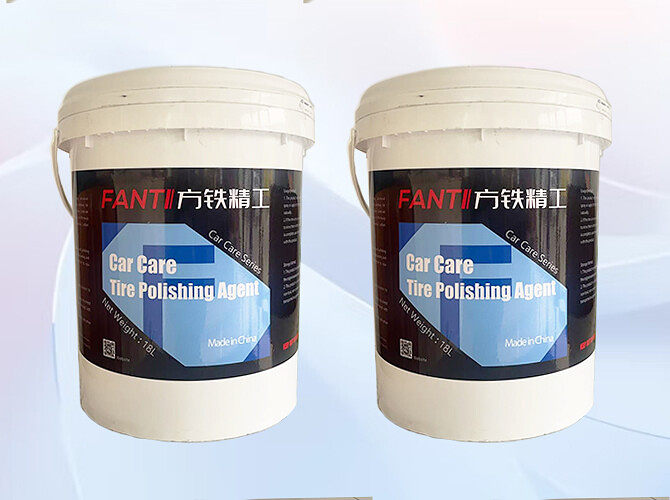
Why thick foam is an unreliable sign of cleaning power
The thick foam curtain can make the spraying process intuitive, but the foam volume is greatly affected by the formula, air intake, water quality and liquid supply equipment.
Many detergents with excellent cleaning power are not rich in foam; Some agents can make foam full of visual effects, but it is difficult to remove the road oil film.
Foam helps to spread the medicament evenly, making the coverage clear at a glance. But whether it is useful depends on whether the active ingredient can come into contact with dirt and stay in place for a sufficient amount of time.
If the thick foam flows away quickly, the actual contact cleaning effect is not as good as those medicament schemes that look ordinary and adapt to the car washing cycle.
Colorful foam and pleasant aroma can improve the car washing experience, but it does not mean that the cleaning ability is stronger. When choosing a package, it is important to separate these experiential items from the actual cleaning effect.
Comparing car wash packages, focus on clear cleaning processes and stable cleaning effects. The option with the most striking visual effect of foam may not be the most cost-effective.
What streaks, spots, and leftover dirt may mean
A dull, greasy film on lower panels after washing can indicate incomplete soil removal. Possible causes include unsuitable chemistry, insufficient contact time, weak application, or coverage gaps.
Chalky spots that appear as droplets dry often point toward dissolved minerals. Increasing detergent alone will not reliably prevent those deposits from forming on paint or glass.
Smeary marks may involve detergent residue, drying aids, wax products, or contamination already on the surface. Their appearance alone cannot identify the responsible wash stage.
Water beading is also ambiguous. It can come from existing protection or an applied rinse product, so it does not establish whether the vehicle is clean.
Inspect the car in good light once it is safely parked. Look at the lower doors, rear panel, mirrors, and glass for recurring problem areas.
Avoid wiping a dirty panel with your finger to test cleanliness. Photograph visible problems and ask the operator to inspect them before attempting additional cleaning.
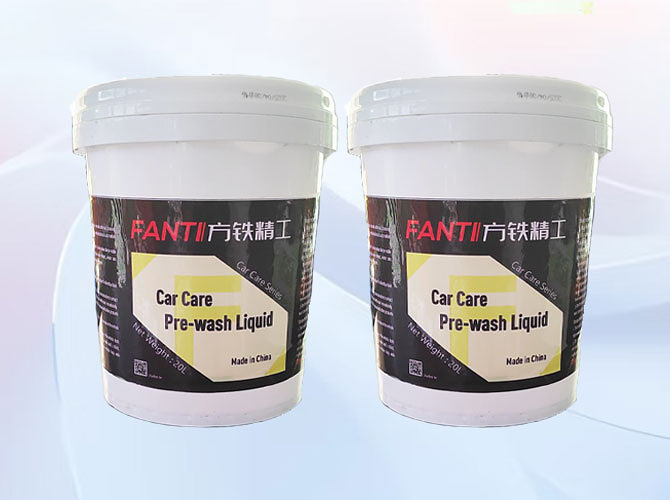
How to choose a wash without understanding its chemical settings
You do not need access to dosing pumps to make a sensible choice. Start with consistent results, clear package descriptions, and staff who address concerns directly.
Ask whether the wash uses detergents suitable for your vehicle’s finish. If you have special surface protection, mention it rather than assuming every package is appropriate.
Ask what the operator does when vehicles leave with persistent film or residue. A useful response should include inspection and troubleshooting rather than automatically recommending an upgrade.
Observe whether chemical application looks reasonably even across the vehicle. Visible coverage cannot prove correct concentration, but obvious missed areas can help explain uneven cleaning.
For recurring mineral spots, ask about final-rinse water treatment. A spot-free rinse can reduce mineral deposits, although its performance depends on water quality and equipment maintenance.
Judge the location over several visits under comparable conditions. One unusually dirty vehicle or a single equipment fault does not establish a reliable pattern of performance.
Choose the finished result, not the amount of foam
Detergents must reach an effective concentration; however, continuously increasing the dosage does not yield proportional improvements in cleaning performance. Once the optimal concentration is met, adding more product provides negligible benefits and often leads to unwanted residue. Since water spots and stains can stem from various causes, they cannot be attributed solely to the amount of detergent used—a truly clean, residue-free finish is the primary benchmark for quality.
Foam is merely a visual characteristic, influenced by the product formula, air intake, and the equipment used. Many highly effective cleaning agents produce very little foam; features like colored foam or added fragrances are designed solely to enhance the user experience and have no bearing on actual cleaning power.
An ideal washing process involves precise chemical dilution tailored to specific site conditions, followed by thorough rinsing and drying. When selecting a car wash solution, prioritize consistent cleaning performance and protection for the vehicle's paintwork.
Awesome! Share to:
Related Posts
- How Much Space Does an Automatic Car Wash Need?
- How detergent dosing affects cleaning in automatic car wash machines
- Can a brushless automatic car wash machine remove heavy road film?
- How Does an Automatic Car Wash Work? From Pre-Soak to Drying
- Breakthrough in South America! Contactless car wash machines are being shipped to Argentina
Providing you with integrated sanding solutions
24/7 before-sales and after-sales services
Comprehensive technical support